This Virtual Gallery Devoted to Women Artists Is Expanding Visibility in the Global Art Market
We hear "representation" tossed around like a virtue signal until the receipts show up. MAG The Women Gallery dropped one, and it's worth reading.
Silas Beckett, On-Chain Critic & Market Columnist·updated July 05, 2026
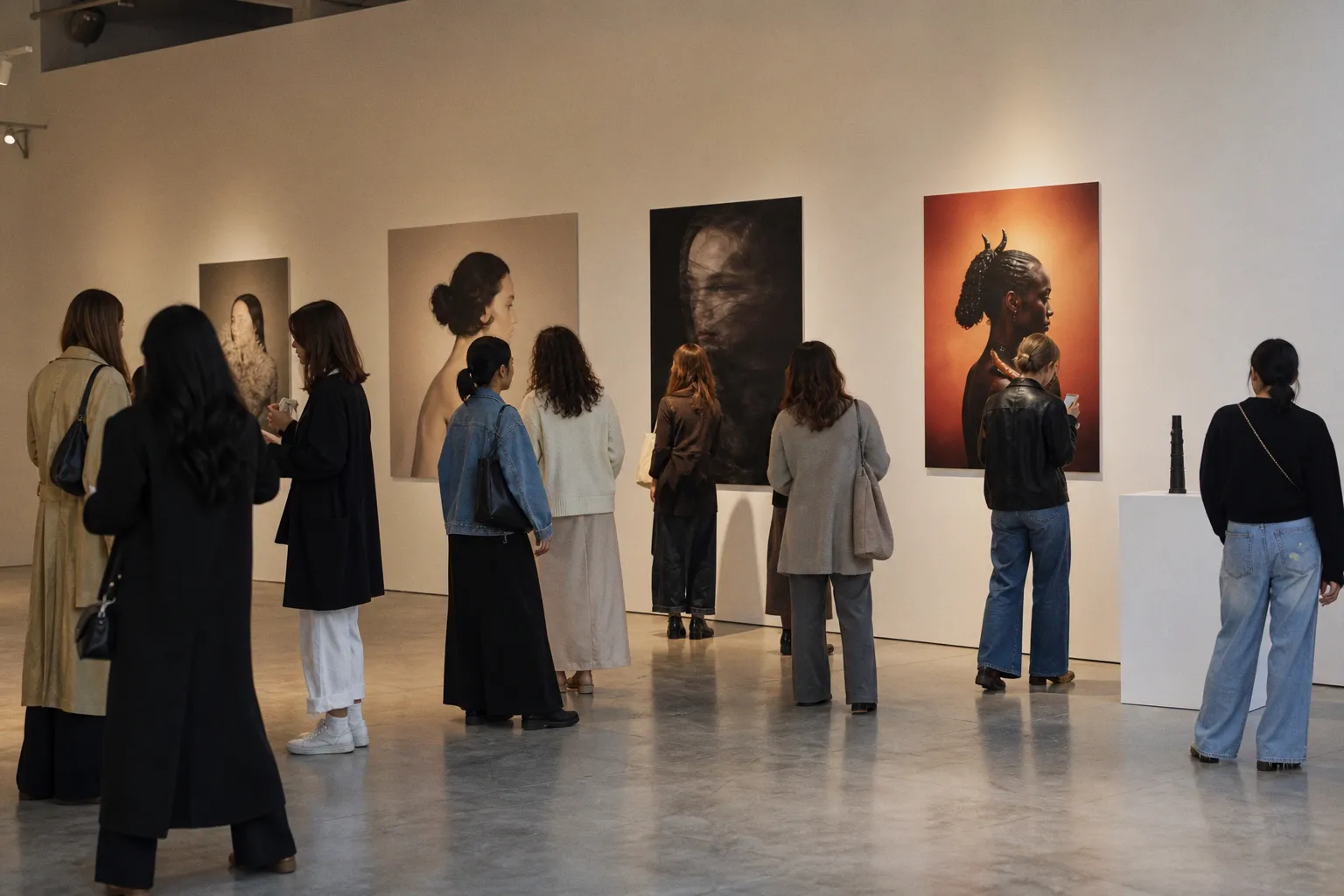
Visibility Is a Liquidity Problem
That framing matters for us. Most of this column lives inside NFT-native liquidity mechanics, but the underlying problem — thin markets, gatekept provenance, artists invisible to the collectors who would actually buy them — is universal. MAG is attacking the same bottleneck from the Web2 side.
The Roster Tells You the Thesis Works
The gallery isn't padding the catalog with safe names. Elizabeth Lennard, a photographer and filmmaker whose work has shown at the Louvre and the Grand Palais, is on the platform. So is Tô Bich Hai, a Vietnamese artist working across painting, sculpture, and drawing with densely layered imagery that interrogates identity and cultural heritage. Claude Stassart-Springer brings pastel and charcoal compositions rooted in memory and the natural world. Isabelle Debray — and this is the one I'd highlight — returned to her studio after years away from practice because of limited recognition, and now her intimate, poetic works reach collectors who would have never crossed her path without the platform's backing.
That's the metric that actually matters. Not the press release, not the mission statement — a specific artist who stopped making work because the market couldn't see her, now making work again because the plumbing changed.
The Web3 Crossover Worth Watching
Here's where I get interested. MAG is built on a traditional e-commerce model: paintings, sculptures, photographs, works on paper. No on-chain provenance, no tokenized editions, no floor-price discovery. That's a missed signal. A platform explicitly built around correcting visibility asymmetries is the exact use case where programmable scarcity, verified provenance, and secondary-market royalties could compound the founder's thesis rather than just bolt onto it.
Bettencourt talks about "lasting cultural change rather than temporary attention." Fine. Lasting cultural change in 2026 looks like immutable creator records, payout splits that survive the gallery, and collectors who can trace a work's history ten years out without begging a registrar. The art market keeps pretending Web3 is the threat. It isn't. It's the infrastructure layer this kind of mission has been waiting for.
I'll be watching whether MAG integrates any on-chain tooling, even quietly, because the moment a platform like this starts issuing certificates of authenticity on-chain, the women artists on its roster stop being dependent on the gallery's continued goodwill to prove their market history. That's not disruption. That's just good plumbing.