Uzbekistan eyes VR art, digital culture cooperation with Belarus
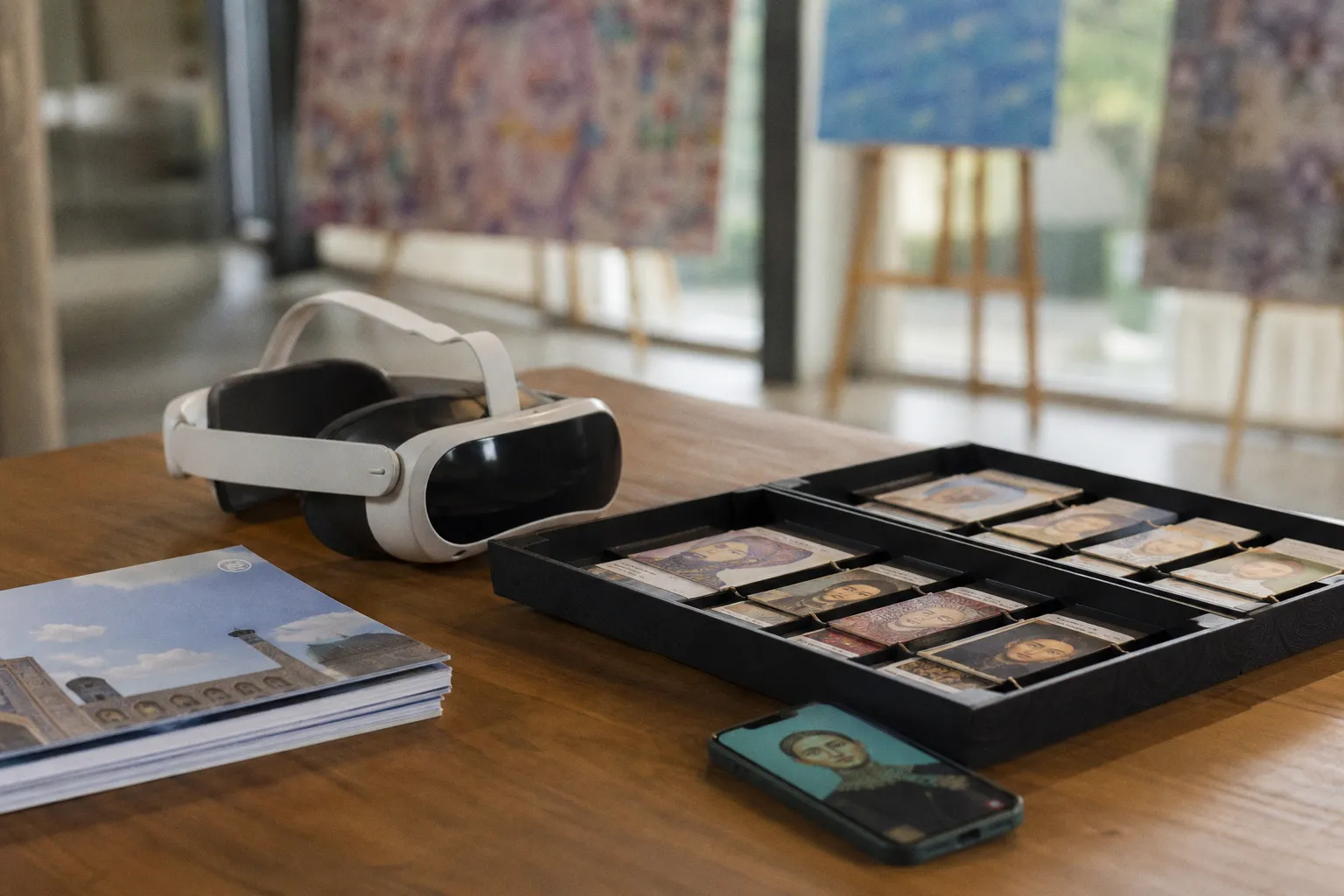
BelTA’s line is thin but worth watching: Uzbekistan is reportedly looking at cooperation with Belarus around VR art and digital culture.
Silas Beckett, On-Chain Critic & Market Columnist·updated July 13, 2026
The actual signal is institutional, not market-native
According to BelTA News Agency, Uzbekistan is eyeing cooperation with Belarus in VR art and digital culture. That is the confirmed core. We do not have details in the available source material about named institutions, funding, timelines, participating artists, platforms, or whether blockchain is involved.
So let’s not cosplay certainty. This is not an NFT drop. It is not a generative art program. It is not a marketplace partnership. It is a diplomatic-cultural signal sitting adjacent to the terrain we care about: immersive art, digital heritage, virtual exhibition formats, and the machinery that may later decide how digital works are stored, shown, licensed, and authenticated.
That distinction matters. Markets love to front-run keywords — VR, AI, digital culture, “innovation.” But without provenance, artist terms, distribution mechanics, and collector access, most of that is noise. The art world has seen enough glossy digital culture language to know the gap between a press line and a liquid asset.
Why NFT collectors should still keep it on the radar
VR art and digital culture cooperation can matter if it produces actual infrastructure: archives, exhibitions, artist residencies, public collections, licensing standards, or cross-border cultural platforms. None of that is confirmed here. But those are the markers I would watch before treating this as more than a headline.
The NFT market has learned the hard way that cultural premium is not created by slogans. It forms around credible provenance, visible curatorial selection, durable metadata, and a community that can tell the difference between a file upload and an artwork with context. If Uzbekistan and Belarus move from “eyeing cooperation” to concrete programs, the useful questions will be brutally practical: Who curates? Who owns the rights? Where are the digital works hosted? Are editions scarce or infinitely reproducible? Is there any public ledger component, or is “digital” just a screen in a gallery?
That is where signal begins. Not in the word VR. Not in the phrase digital culture. In the mechanics.
The wider digital-culture backdrop is getting crowded
The other material in the pack underlines a broader point: “digital culture” is no longer a niche phrase reserved for artists and Web3 degenerates. GlobeNewswire reports that Digital Culture Group received recognition across AI, media, and leadership in the first half of 2026, including attention around its ARI platform and an AI-powered Fossil campaign. That is advertising tech, not fine art. Different arena, different incentives.
But the overlap is real. AI, media planning, immersive environments, and cultural data are all being folded into the same institutional vocabulary. For artists and collectors, that creates both opportunity and contamination. More money and attention may flow toward digital formats. At the same time, art can get flattened into “engagement,” “audience resonance,” and campaign performance metrics.
That is the market contradiction: digital art wants cultural depth; digital media wants measurable behavior. When governments enter the room, the incentive stack changes again — softer power, education, heritage, tourism, diplomacy. Sometimes that creates serious platforms. Sometimes it creates PDFs with buzzwords.
My read: this Uzbekistan-Belarus item is not tradable news. It is a watchlist item. If follow-up announcements name institutions, artists, collections, platforms, or rights structures, then we start mapping the rails. Until then, treat it as early institutional smoke — interesting, but not yet fire.