Walid Raad and the narrative layers of contemporary conflict art
Walid Raad has been running a stress test on provenance for three decades, and most of our market still doesn't get why that matters.
Silas Beckett, On-Chain Critic & Market Columnist·updated July 05, 2026
That's the bit we should be paying attention to.
The Provenance Illusion
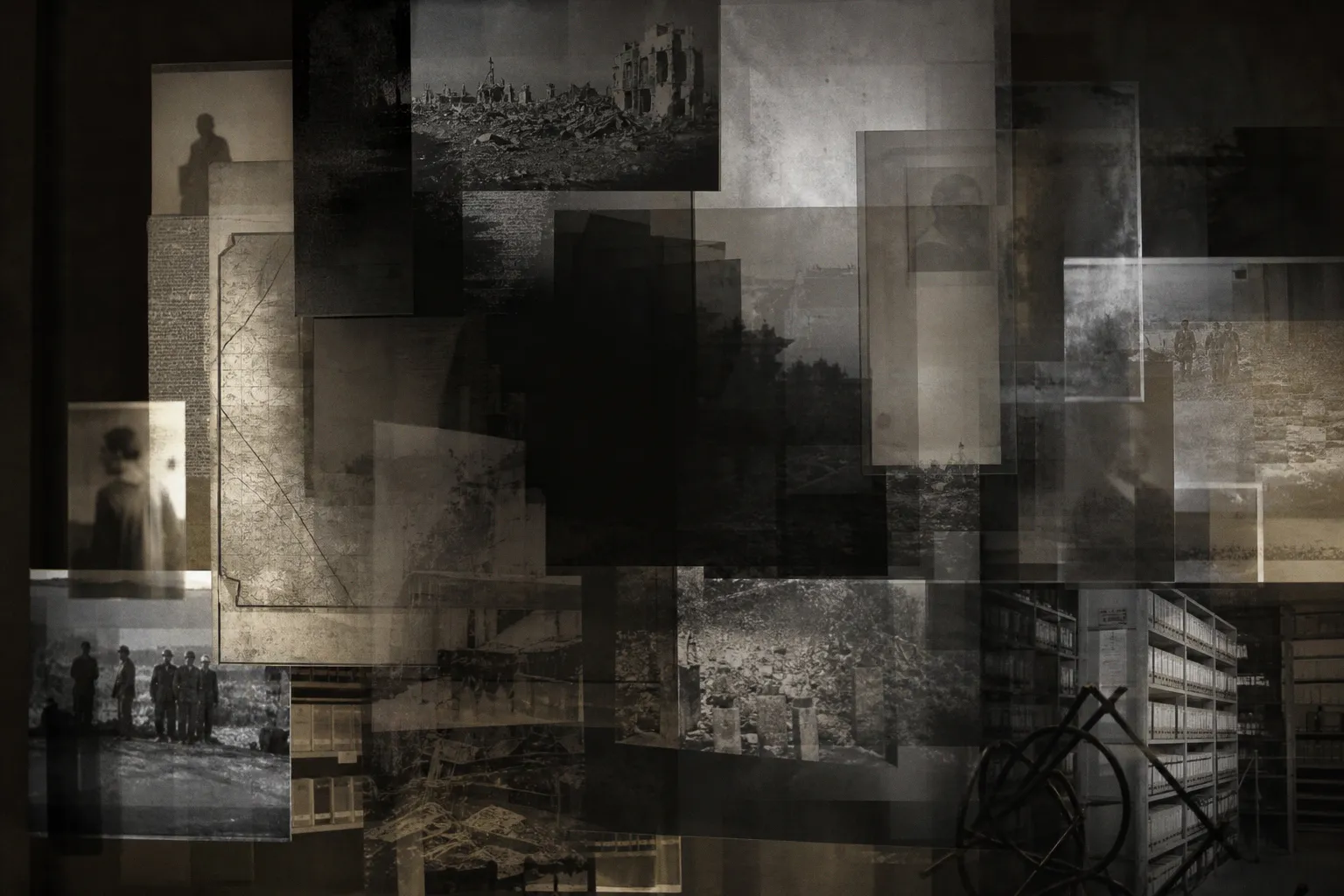
Raad's core move is simple and brutal: he fabricates provenance so convincingly that viewers burn real cognitive effort recalibrating what's real. Car-bomb statistics sit beside notebook pages. Contact sheets pretend to be surveillance. Colors shift slightly. Captions blend dry bureaucratic language with improbable anecdotes. The work doesn't question conflict history alone — it questions whether the format of the archive can be trusted at all.
For related context, see Generative AI in gaming market to grow 23% annu....
For anyone trading digital art, this is the conversation we're avoiding. We treat on-chain history as ground truth. Wallet-to-wallet trail, mint date, contract address — that's our version of Raad's inventory number. But the metadata wrapped around the token — title, description, artist's statement, the "official" exhibition history stamped into a project's site — is constructed exactly like The Atlas Group's archive. The chain verifies ownership. It does not verify meaning.
Who Gets to Write the Canon
Raad's later work drags the same lens into museum territory. He invents speculative institutions in the Middle East, imagines acquisitions that reshape modernism's narrative, maps floor plans of galleries that don't yet exist. The undertone is clear: who writes the archive, and whose version becomes canon?
Watch this play out in our space right now. The institutional narrative around digital art is being authored in real time — which museums acquire early pieces, which curators get quoted, which collections land in retrospectives. Cultural premium doesn't come from scarcity alone. It comes from absorption into the version of history that wins. We know this. Most of us are still pricing like it's 2021.
The Takeaway
Raad isn't moving any floor prices this week. But the framework he's spent decades building — archives as constructed fictions, institutional labels as narrative tools, repetition as a way of revealing how conflict imagery becomes generic — is exactly the lens to apply to the project decks and artist statements we consume daily. Every whitepaper is an archive. Every "official" bio is a donor note. Treat them accordingly, or get absorbed into someone else's narrative.