Art Basel 2026 closes with strong sales and global engagement
Art Basel closed its 2026 edition with the kind of headline that makes gallery PR teams weep with joy: strong sales, global engagement, energy throughout the city. We've heard this before.
Silas Beckett, On-Chain Critic & Market Columnist·updated July 01, 2026
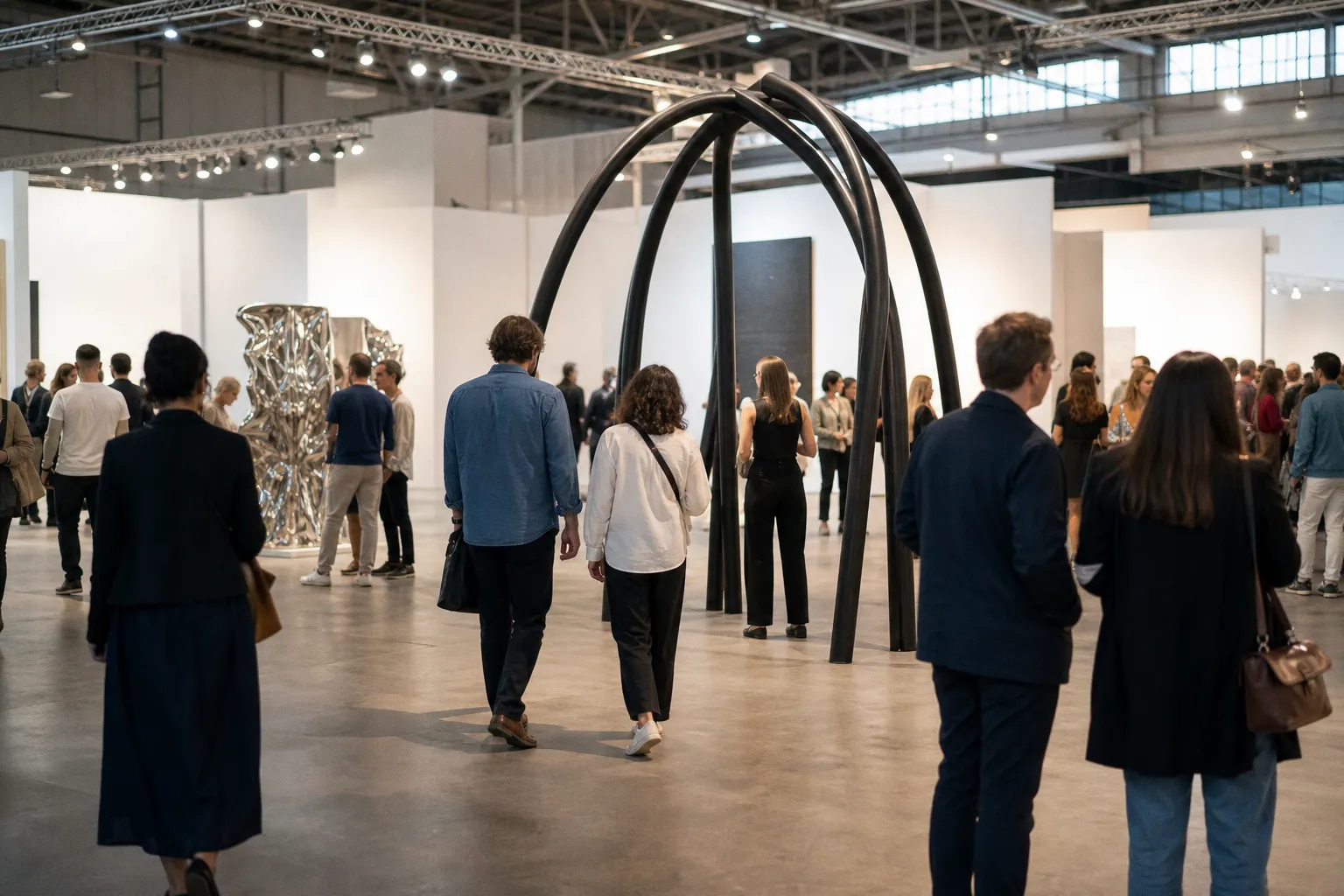
The Machine Did What Machines Do
Let's get the scoreboard out of the way. Hauser & Wirth moved a '63 Picasso at a USD 35M ask. Richter's Abstraktes Bild fetched USD 20M. Gagosian flipped a de Kooning to an Asian collector within the first hour — high seven figures, no specifics, classic Gagosian opacity. The Hockney market got an involuntary catalyst: David's death earlier this month turned every available canvas into a provenance event. GRAY sold Studio Interior #2 for USD 8.5M and a Woldgate piece for USD 650K. That's not art-market liquidity — that's memorial premium, and we've seen the same dynamic pump floor prices on PFP collections after a creator's unexpected exit. Same psychology, different tax bracket.
Thaddaeus Ropac moved a Frankenthaler and a Soulages, both hovering around USD 3M. White Cube sold a Lynne Drexler for USD 2.5M — a name that barely registered five years ago and is now competing with mid-career blue-chips. That kind of re-rating is exactly what on-chain collectors should study: how consensus forms around underpriced assets in illiquid markets, then reprices violently once institutional validation arrives.
Basel Exclusive: Scarcity as Product
The real structural shift here is Basel Exclusive, a new initiative that had 190+ galleries reserving key works for a coordinated unveiling at the Preview opening. This is artificial supply constraint deployed as a marketing mechanic — and it worked. An Almine Rech Picasso sold in the USD 6–6.5M range, Elizabeth Peyton's Transmission went for USD 1.2M at Zwirner, and a Baldessari from his Emoji Series hit USD 500K to a European collection.
If this sounds familiar, it should. Basel Exclusive is essentially a curated drop calendar dressed in gallery prose. Reserve, reveal, create FOMO at the opening, sell before the week cools. We've been running this playbook on-chain since Art Blocks Curated — and the mechanics are identical whether you're minting generative editions or unveiling a Soulages from 1954. The difference? Galleries have centuries of institutional trust to lean on. On-chain artists have provenance on an immutable ledger. We should be winning this game more often than we are.
Zero 10 Debuts in Europe — Track the Signal
The detail most likely to disappear in the traditional press cycle is Zero 10's European debut alongside the fair. We don't have granular sales data from their presentation yet — the source confirms presence, not transaction volume. But context matters: Art Basel embedding a digital-native platform into its official programming signals that the institutional bridge between physical and on-chain isn't collapsing, it's being quietly engineered by the same people who control the gallery ecosystem.
For our audience: this is the signal to watch, not the noise of nine-figure Picasso sales. When Basel starts platforming digital-first entities at the main event rather than relegating them to a side panel, that's provenance formation at the institutional level. It doesn't guarantee floor price movement on any specific collection — nothing does — but it shifts the cultural premium conversation in our direction.
The Takeaway
Basel 2026 did what Basel does: moved blue-chip inventory at blue-chip prices to a self-selecting crowd that treats art fairs as networking infrastructure. Nothing revolutionary there. But the machinery underneath — Basel Exclusive's coordinated scarcity model, Zero 10's integration, the Hockney memorial premium — these are market signals worth logging. Traditional art keeps borrowing our mechanics. The question is whether on-chain markets will return the favor and start pricing institutional alignment as aggressively as they price Twitter impressions.
We're not holding our breath. But we are watching.