Bleu Bosworth on Contemporary Art, Cultural Capital and the New Language of Collecting
£393 million at Sotheby's. Then £47 million more across Christie's and Phillips in contemporary art alone.
Silas Beckett, On-Chain Critic & Market Columnist·updated June 30, 2026
Cultural Capital Is the Real Floor Price
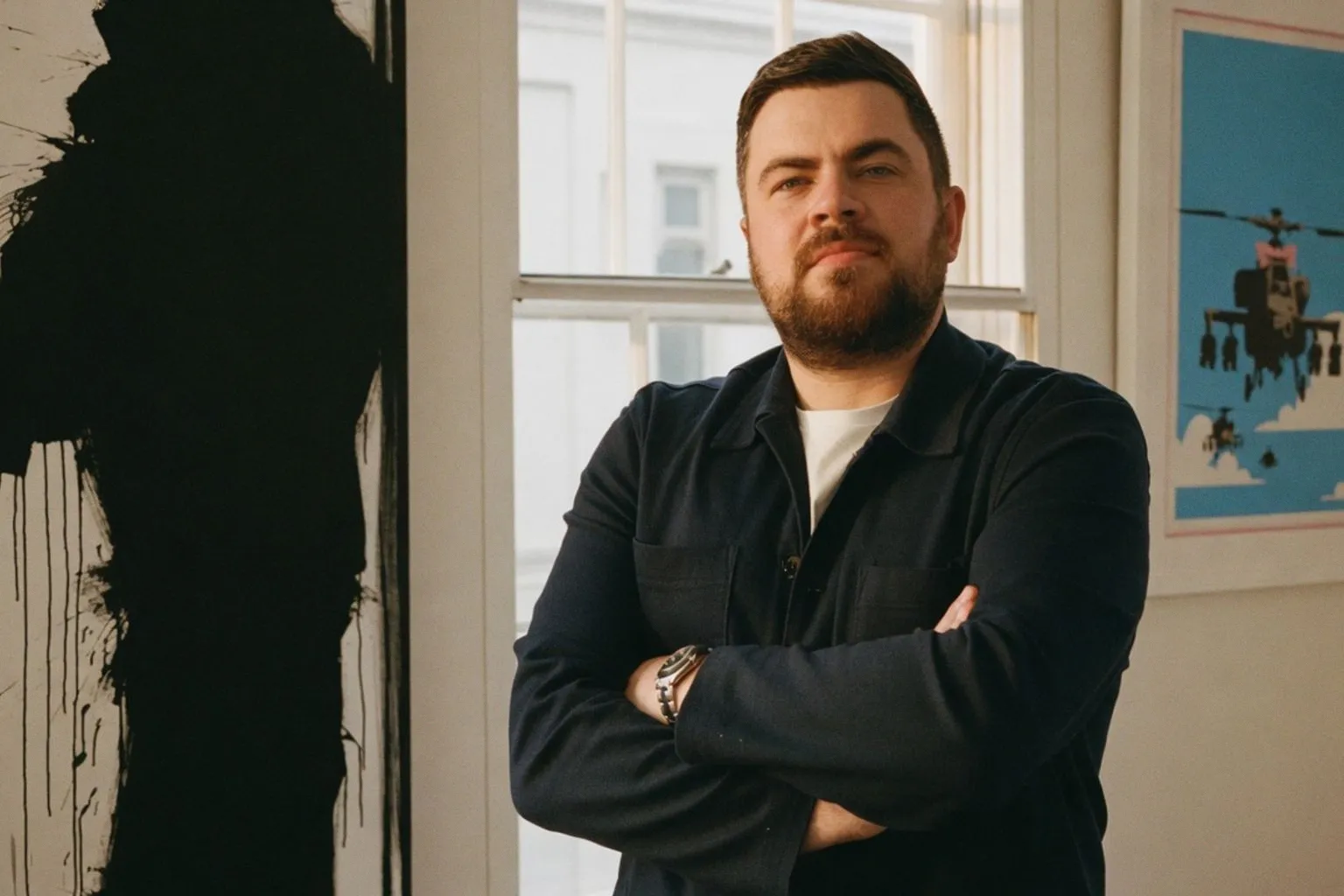
Bleu Bosworth — founder of Optima Contemporary, adviser to high-net-worth collectors chasing Banksy, Warhol, and Basquiat — made a point worth sitting with. In his telling, the strongest collections aren't built by choosing between established names and emerging talent. They're built by understanding how both speak to culture, provenance and future relevance. Sound familiar? It should. That's the exact thesis behind every PFP conviction play, every generative art thesis, every collector who held a Chromie Squiggle through a 90% drawdown because they understood the signal was cultural, not just financial. Bosworth comes from property and wealth strategy. He positions art as portfolio infrastructure — not passion purchase, not degen trade. That's a framing the NFT space spent 2021 screaming about and 2022–2024 quietly forgetting.
The No-Reserve Trap Has the Same Shape Everywhere
Here's the on-chain lesson buried in those Sotheby's and Phillips numbers: confidence is liquidity. The Zabludowicz sale moved 47 lots for £15.5 million, but half that sum came from just four works — three of them guaranteed by third parties. Without those guarantees, we're looking at unsold inventory masquerading as a headline number. Meanwhile, the no-reserve experiments — Steinbach's 2007 wooden structure at £1,270 from a £10k estimate, Cindy Sherman at £1,905 against £8k–£12k — read like a live auction version of an NFT collection dumping into zero bids. We've seen this in every failed mint, every artist reveal where the secondary market priced the work at gas fees. The mechanism is identical: strip away the floor, and you discover how much conviction actually exists. Spoiler: less than anyone projected.
For related context, see Cryptocurrency, blockchain & Web3 news.
What This Means for Anyone Holding Digital Art
The Il Sole data shows a contemporary art market where guarantee structures are doing the heavy lifting and institutional backing still separates the £4 million Guston from the £381 Curry. Bosworth's thesis — that curation, trust and long-term relationships now matter more than entry points — maps directly onto where generative and on-chain art is heading. The artists with real collector bases, real discourse, real secondary market depth? They're the ones with the cultural premium. The rest are no-reserve lots in a market that's already moved on. Watch how the Zabludowicz aftermath ripples into digital collection strategies. The lesson isn't "traditional art is dying" or "NFTs are the future." The lesson is simpler: provenance, cultural relevance, and market validation have to be read together. Always have.