Art Market Report: Digital art sales gather pace
Digital art just put a harder number on its comeback: in the latest Art Basel and UBS material, digital, film, and video art rose from 1% to 3% of transaction volume, while their share of total sales value moved from 7% to 10%. That is not NFT-season mania.
Silas Beckett, On-Chain Critic & Market Columnist·updated July 04, 2026
The bid is moving from novelty to validation
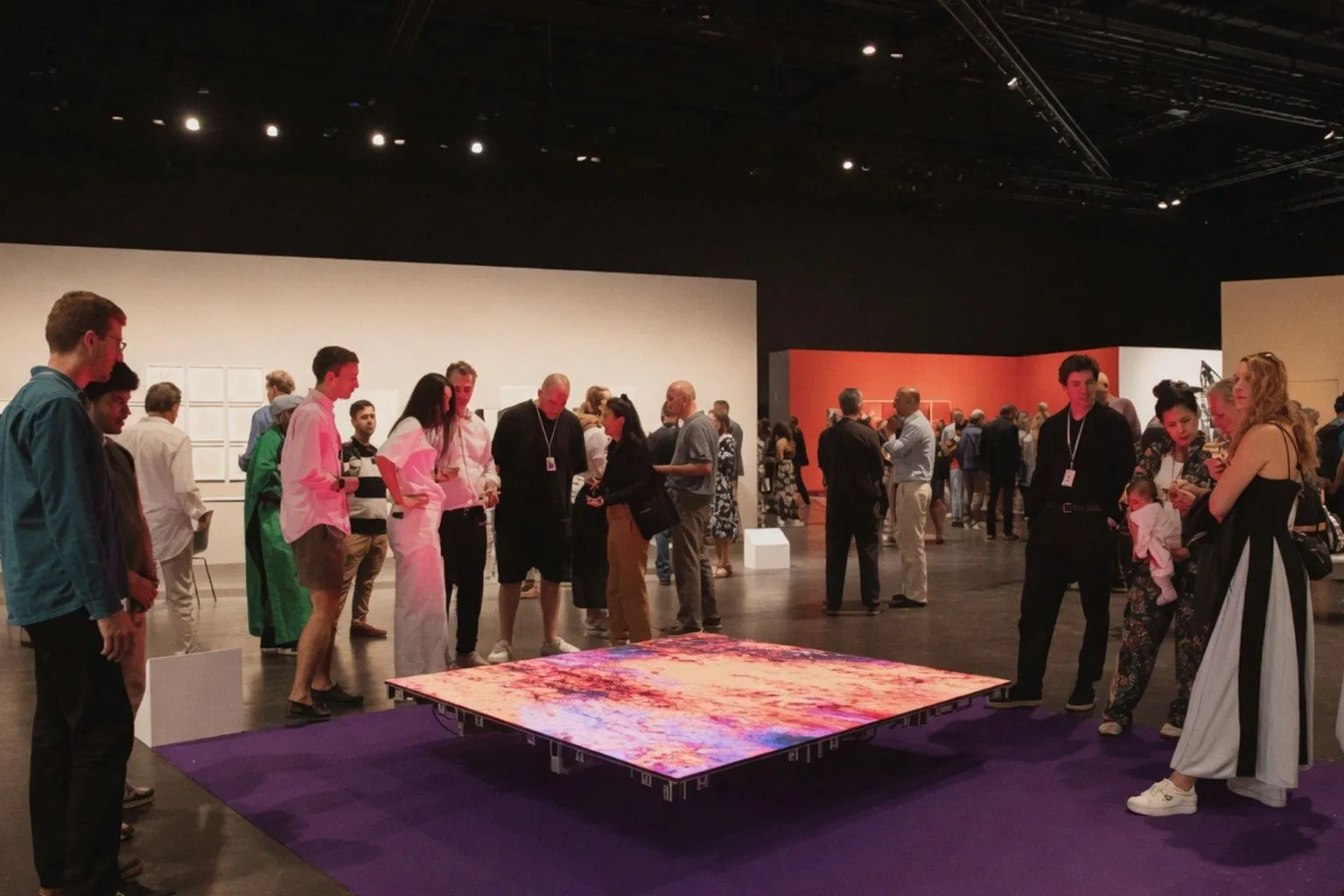
Art Basel reports that digital art is showing renewed momentum after years spent in the shadow of the NFT boom-and-bust cycle. The clearest stage for that shift was the Basel edition of Zero 10, Art Basel’s platform for art of the digital era, which was described as its largest edition so far.
The setup matters. This was not pitched as a casino floor with nicer lighting. Zero 10 brought together 20 exhibitors under the curatorial theme “The Condition,” focused on artists responding to artificial intelligence, algorithmic systems, and the saturation of digital imagery. It was co-curated by digital art strategist Eli Scheinman and artist Trevor Paglen, and the framing was explicitly exhibition-first as much as commercial.
That is the part NFT markets should not miss. The old speculative loop was metadata, mint, floor, flip. This lane is asking a different question: can digital work survive inside the same rooms where painting and sculpture have long absorbed institutional capital? Paglen’s line, as reported by Art Basel, was that the digital needed to feel native to the fair rather than like a novelty annex. Good. The novelty annex was where liquidity went to die.
Collectors are buying, but the mix is changing
The Art Basel and UBS Survey of Global Collecting cited by Art Basel says digital works ranked as the third most acquired medium among high-net-worth collectors, behind painting and sculpture. Of the 3,100 high-net-worth individuals interviewed, just over half — 51% — said they bought a digital artwork in 2025.
That is not a floor-price chart, but it is market structure. If wealthy collectors are acquiring digital work at that rate, the demand profile is no longer only crypto-native wallets chasing the next PFP rotation. Art Basel also reports that participating galleries saw robust sales to both established collectors and institutions, with interest across a broad range of price points.
The sharpest reported sale came through Fellowship, which placed an edition of John Gerrard’s “STANDARD” from 2022 with a major US private collection for USD 500,000. One sale does not make a market. But it does set a public reference point, and reference points are oxygen for pricing. Digital art has always struggled less with imagination than with trusted comps, credible presentation, and buyer confidence after the wash-trading hangover.
Also worth noting: non-commercial presentations from HEK, Haus der Elektronischen Künste, and ArtMeta were part of the mix. That sounds soft until you remember how traditional art markets actually work. Museum context and curatorial seriousness often harden value before liquidity ever shows up on the tape.
The practical read for NFT collectors
MyArtBroker framed the latest Art Basel and UBS report around behaviour rather than growth. That is the right lens. We should stop asking whether digital art is “back” in the 2021 sense. It is not. Better question: which digital works can earn institutional attention without depending on token price theatre?
There is a useful parallel in the Ad-hoc-news.de piece on Bruce Nauman. The report describes Nauman as a benchmark for experimental sculpture, video, and performance, with market confidence closely tied to museum visibility, major retrospectives, and the way different media perform across auction tiers. That is not a direct comparison to today’s digital artists, but the mechanism is familiar: difficult media need validation layers. Institutions, exhibitions, serious collectors, and repeatable sales history all matter.
For NFT-native buyers, the takeaway is brutally simple. Stop treating every digital artwork like a liquidity pool with an image attached. Check provenance. Check where the work has been shown. Check whether the artist’s practice makes sense beyond a token standard. Check whether collectors outside the crypto circuit are paying attention.
The signal here is not “number go up.” The signal is that digital art is being pulled into the broader art-market machine — slower, more selective, less forgiving. That is good news for serious work and bad news for empty metadata with a loud community manager.