The State of NFTs Part Two: From Pokémon Cards to Digital Art
The cleaner signal is not another floor-price miracle. It is a category shift: Cointree’s latest NFT market analysis argues that the market is moving away from speculative roadmaps and toward NFTs as…
Silas Beckett, On-Chain Critic & Market Columnist·updated July 08, 2026
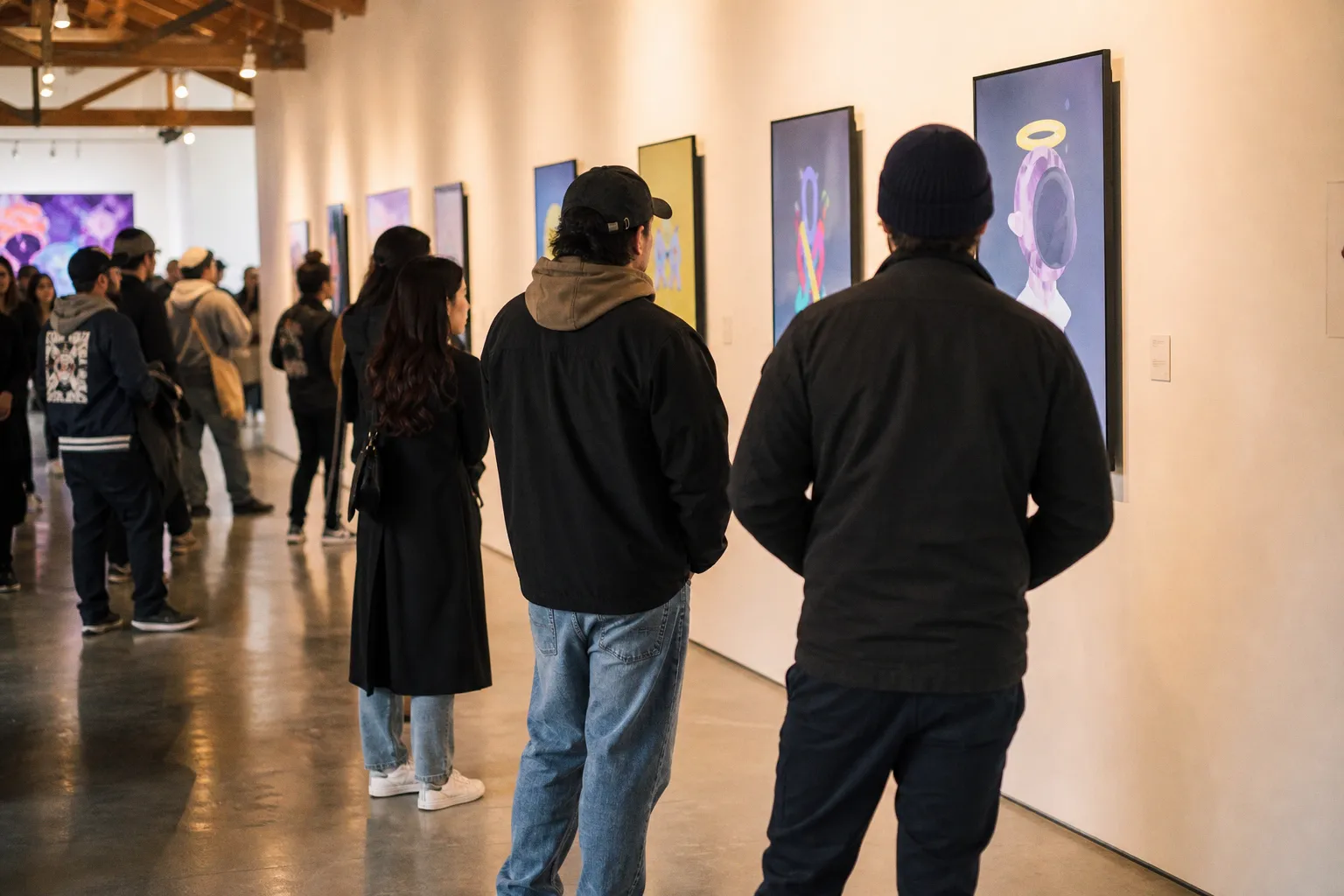
The cleaner signal is not another floor-price miracle. It is a category shift: Cointree’s latest NFT market analysis argues that the market is moving away from speculative roadmaps and toward NFTs as an ownership layer for established collectibles and digital art. That matters because the next durable bid may not come from louder Discords, but from assets with provenance, recognizable collector demand, and less dependence on token rumor theater.
The NFT stops being the product
The first NFT cycle sold belief. Roadmaps, communities, whitelist access, token whispers, floor charts — the usual liquidity carnival. When the market turned, too many collections had nothing left except metadata and a very expensive lesson in exit liquidity.
Cointree’s point is sharper: the stronger pitch now is not “buy this NFT.” It is “own, trade, and verify a collectible in a more digital way.” That is a different market structure. Less religion, more rails.
Pokémon cards and sports cards are useful examples because collectors already understand scarcity, condition, rarity, and cultural premium. The NFT layer does not need to invent desire from scratch. It can sit behind the asset as a record of ownership, a transfer mechanism, and a provenance trail. In some models, the physical collectible can remain in custody while the tokenized ownership record moves online.
That will not save every tokenized collectible. It just removes one of the worst frictions of the last cycle: asking buyers to value an abstract asset and an unproven promise at the same time.
Digital art still needs more than vibes
Cointree also frames digital art and generative work as part of this next phase, citing Tyler Hobbs as a key example. That name matters because generative art has always had a better claim to blockchain-native provenance than most PFP projects. The token is not merely a receipt taped onto a brand campaign. It can be part of how the work is issued, tracked, and collected.
But we should not confuse “better fit” with automatic demand. Provenance is infrastructure. It is not a bid. A clean on-chain record can support a market, but it cannot manufacture cultural weight where none exists.
This is where the art side gives NFT collectors a useful reality check. AD HOC NEWS, writing on Wangechi Mutu after recent auction results, describes a market position built around institutional attention, distinct visual language, and demand across media including collage, sculpture, installation, and works on paper. Her work is described as entering higher price tiers at major international auctions over time, while still fluctuating across individual results.
That is the part NFT traders should actually study. The durable art market does not move only on mint mechanics. It moves on bodies of work, institutional context, collector conviction, and media-specific tiers. Floor price is just the loudest number in the room, not the whole room.
What to check before buying the “next phase”
If the NFT becomes the ownership receipt, the collectible becomes the thing that carries the market. So the question changes.
Do not ask only which chain it is on. Ask what the token proves. Does it verify ownership? Does it connect to a physical or digital work people already value? Is custody clear if a physical item is involved? Is provenance readable without decoding a mess of metadata? Can the asset trade globally without turning the collector experience into a support-ticket swamp?
For digital art, the filter is even stricter. Look at the artist’s actual practice, not just the collection page. Is there a coherent body of work? Is the market built on sustained attention or one violent liquidity spike? Are collectors buying the art, or are they farming the exit?
My read: this is not the comeback of NFTs as a slogan. It is the quiet return of NFTs as plumbing. Less glamorous, more useful. And in this market, useful beats noisy more often than the timeline wants to admit.