Why Digital Privacy Matters for Artists and Global Audiences
Visibility is the new floor price, and privacy is the thin bid wall underneath it.
Silas Beckett, On-Chain Critic & Market Columnist·updated July 02, 2026
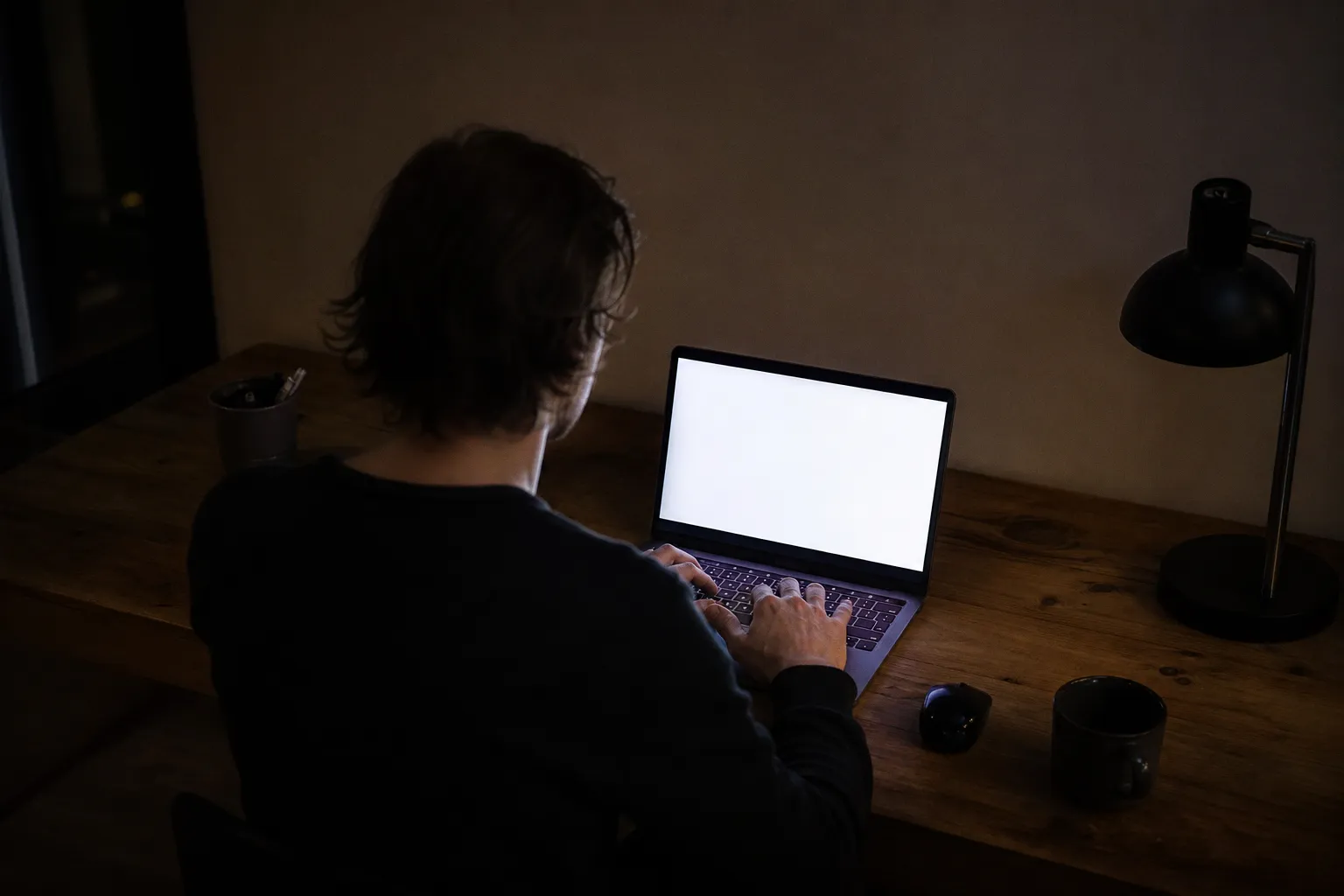
Culture now travels as fragments, not finished objects
The useful line in the Our Culture Mag piece is simple: culture reaches people through chains of small encounters. A trailer before the film. A live session before the concert. A reposted image before the gallery wall. A caption, screenshot, fan edit, interview, search result, or recommendation before anyone understands the larger body of work.
That is basically the NFT discovery funnel with fewer gas jokes.
A collector rarely meets a work in its clean, final state. We see a cropped JPEG on X, a Discord teaser, a marketplace thumbnail, a secondary-sale alert, a trait chart, a quote-tweet from someone with bags, maybe a thread from someone pretending not to have bags. By the time the artwork hits the wallet, it has already been metabolized by platforms.
The privacy angle matters because artists are no longer represented only by the work. They are represented by their process videos, studio photos, political comments, personal updates, old screenshots, public replies, collector chatter, and whatever the algorithm decides is context. That can build a career. It can also flatten one.
For artists, constant presence can be professionally necessary. Platforms reward frequent sharing. Audiences want proximity. But the boundary between the work and the person gets thinner with every update. In Web3, that boundary gets thinner still when public identity, sales history, wallet behavior, collector relationships, and community management all start orbiting the same addressable persona.
That is not “being authentic.” Sometimes it is just unpaid surveillance with better branding.
Global audience, local risk
The second source in the pack points to Nairobi’s meme culture as a fast-moving digital barometer, translating political drama and economic anxiety into viral internet currency. The details are local, but the mechanism is familiar everywhere: online culture turns events into shareable signals at speed, then exports them to audiences far beyond the original geography.
That matters for digital art because the phrase “global audience” is usually sold like a clean upside. Upload once, reach everywhere. Mint once, distribute forever. Reality is messier. Audiences are assembled through fragments across regional publications, social feeds, video channels, ticketing pages, newsletters, and communities. The same artwork may be read as design, protest, collectible, meme, status object, or liquidity vehicle depending on where it lands.
For artists, this creates opportunity and exposure at the same time. A photographer can reach viewers before a gallery ever calls. A writer can find readers outside a local scene. A visual artist can be reposted before anyone understands the full body of work. But that same circulation can detach image from context, person from practice, and wallet from safety.
In NFT markets we like to pretend metadata solves everything. It does not. Metadata can preserve a title, edition, contract, and transaction path. It cannot preserve intent once a piece starts moving through screenshots, edits, hot takes, and speculative Discord noise.
Provenance is not only on-chain. It is also social. And social provenance is easier to poison.
What artists and collectors should actually check
The practical takeaway is not to disappear. Artists need visibility. Audiences need access. The point is to stop treating privacy as an afterthought once the mint page is live and the community has already been trained to expect constant personal access.
Artists should separate the work from the entire private life around the work where possible. Studio process, drafts, personal reflections, political views, tour updates, and daily fragments can all become part of a public digital identity. Share intentionally. Assume screenshots travel further than context. Assume a repost may become someone’s first encounter with the project.
Collectors should pay attention to how a project builds its audience. Is the cultural premium coming from the art, the archive, the creator’s body of work, and a credible public trail? Or is it just proximity farming — endless personal access, vague intimacy, and algorithmic overexposure dressed up as community?
For PFP teams and generative artists, the sharper question is operational: how much of the project depends on the creator being permanently online? If the answer is “all of it,” that is not a community moat. That is a burnout schedule with a token attached.
I would treat privacy now the way we already treat provenance: not as decoration, but as infrastructure. The next serious digital art audience will not only ask whether a work can travel globally. It will ask what gets exposed, distorted, harvested, or lost as it travels. That is where the signal is. The rest is noise with a mint button.