How Casa Batlló is using digital technology to unlock the hidden details of Gaudí, Miró and Gomis
Casa Batlló is not minting another lazy “immersive experience” wrapper around a famous name.
Silas Beckett, On-Chain Critic & Market Columnist·updated July 14, 2026
The real signal is Gomis, not the tech stack
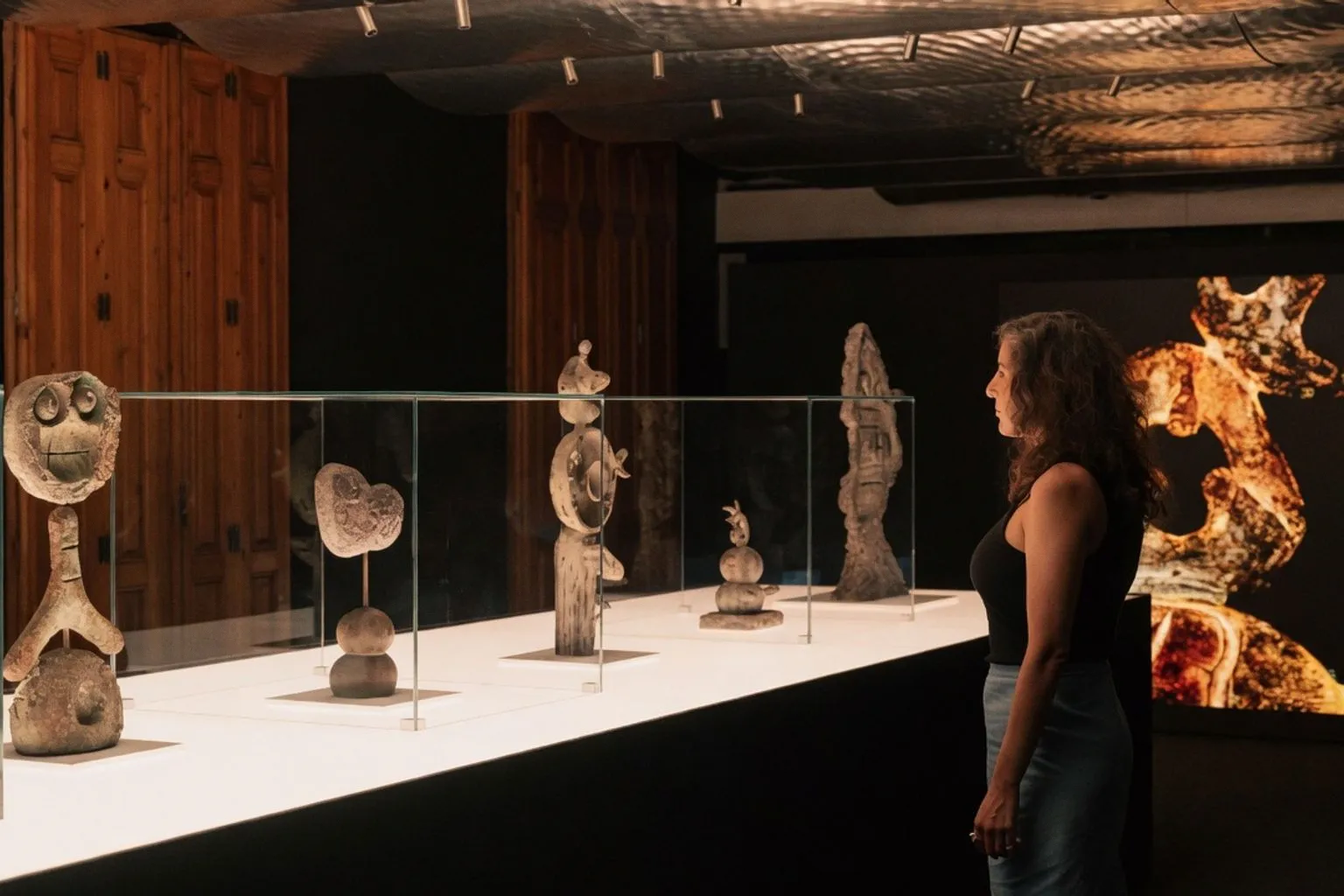
The exhibition, titled Gaudí–Miró–Gomis: Deconstructed, is described as a reimagined version of an earlier Fundació Joan Miró show exploring the links between Gaudí’s architecture, Miró’s art and Joaquim Gomis’ photography. The new edition is housed across the newly restored third floor of Casa Batlló and was developed with Fundació Joan Miró and creative studio Tomorrow Bureau.
That is the part worth watching. Gaudí and Miró already carry cultural premium. Their names are liquid in the museum economy. Gomis is the less obvious asset.
According to the report, Gomis documented Gaudí’s forms, textures and details at a time when parts of Barcelona’s own artistic establishment still dismissed the architect’s work as eccentric rather than visionary. His camera did more than archive buildings; it helped shape how later generations saw Gaudí. In NFT terms, Gomis is not background lore. He is provenance infrastructure.
We love to pretend provenance is a clean line on-chain. It rarely is. Before the token, before the marketplace, before the metadata field, there is always someone deciding what gets preserved, framed and repeated. Gomis did that with a camera.
AI and scanning as close-looking machines
The reported digital layer is not just spectacle. The exhibition uses artificial intelligence, high-resolution photogrammetry and 3D scanning to expose details invisible to the naked eye. One section focuses on tool marks and weathering across Miró’s sculptures, scanned this way for the first time, while another reworks Gomis’ archive through generative reinterpretation.
That last phrase will make some collectors flinch, and fair enough. “Generative reinterpretation” can mean careful visual scholarship. It can also mean a blender full of aesthetic residue. The difference is context, source discipline and restraint.
Here, at least from the available reporting, the setup has a stronger spine than the usual projection-room liquidity trap. The work is anchored in Casa Batlló, Fundació Joan Miró, Gomis’ archive, and the material surfaces of sculpture and architecture. The tech is being positioned as a way to look harder — not as a shortcut to manufacture novelty.
That distinction matters for our niche. Digital and generative art markets keep confusing motion with meaning. A scan is not automatically insight. AI is not automatically authorship. But when digital tools reveal tool marks, weathering and archival relationships, they can add a new layer of readable evidence. That is where the medium earns its keep.
What collectors and artists should actually take from this
The practical takeaway is not “museums are doing AI, therefore buy every AI-art drop.” That is noise. The sharper read is that legacy institutions are getting more comfortable using computational tools to open up historical material, not merely to decorate it.
For artists, the lesson is structure. Start with a strong corpus. Know what your source material is doing. If you are working with scans, archives or generative systems, the cultural weight comes from the relationship between input, process and display. Not from slapping “AI” into the wall text.
For collectors, I would watch how these museum-grade digital projects frame authorship. In this case, the public story is not just Gaudí as genius, Miró as icon, or Gomis as forgotten photographer. It is the network between them: Casa Batlló influencing Miró’s move toward three-dimensional forms, Gomis documenting and shaping reception, and digital tools making those connections more visible.
That is a better model than most NFT provenance claims, which often collapse into vibes, Discord memory and floor-price mythology. Here, the archive has teeth. The metadata has a physical referent. The machine vision is pointed at something worth seeing.
My verdict: this is not a market catalyst, and anyone trying to trade it like one is reaching. But as a signal for digital art’s institutional direction, it is clean. The next serious wave will not be louder. It will be better sourced, better scanned and less afraid of letting old surfaces speak through new machines.