FAD NEWS: Post-Fair expands to Paris with first European edition during Art Basel Paris
$6,000. That's the magic number Chris Sharp is betting will buy galleries a week of focused, curated attention in the Marais this October, a fraction of what a booth at the main fair in Paris commands.
Silas Beckett, On-Chain Critic & Market Columnist·updated July 13, 2026
The Anti-Fair Economics
Let's cut through the noise. The core proposition is brutally simple: radically lower overhead. Sharp’s open-plan, exhibition-style model eliminates individual booths, cutting costs and, in theory, recentering the experience on curatorial risk over surefire commercial sales. For galleries buckling under six-figure travel, shipping, and participation fees at major fairs, this isn't a side show; it's a stress test for a more sustainable ecosystem. The $6,000 participation fee is the headline metric, a clear capitulation by the organizer to the reality that gallery economics are broken.
Curatorial Capital vs. Commercial Certainty
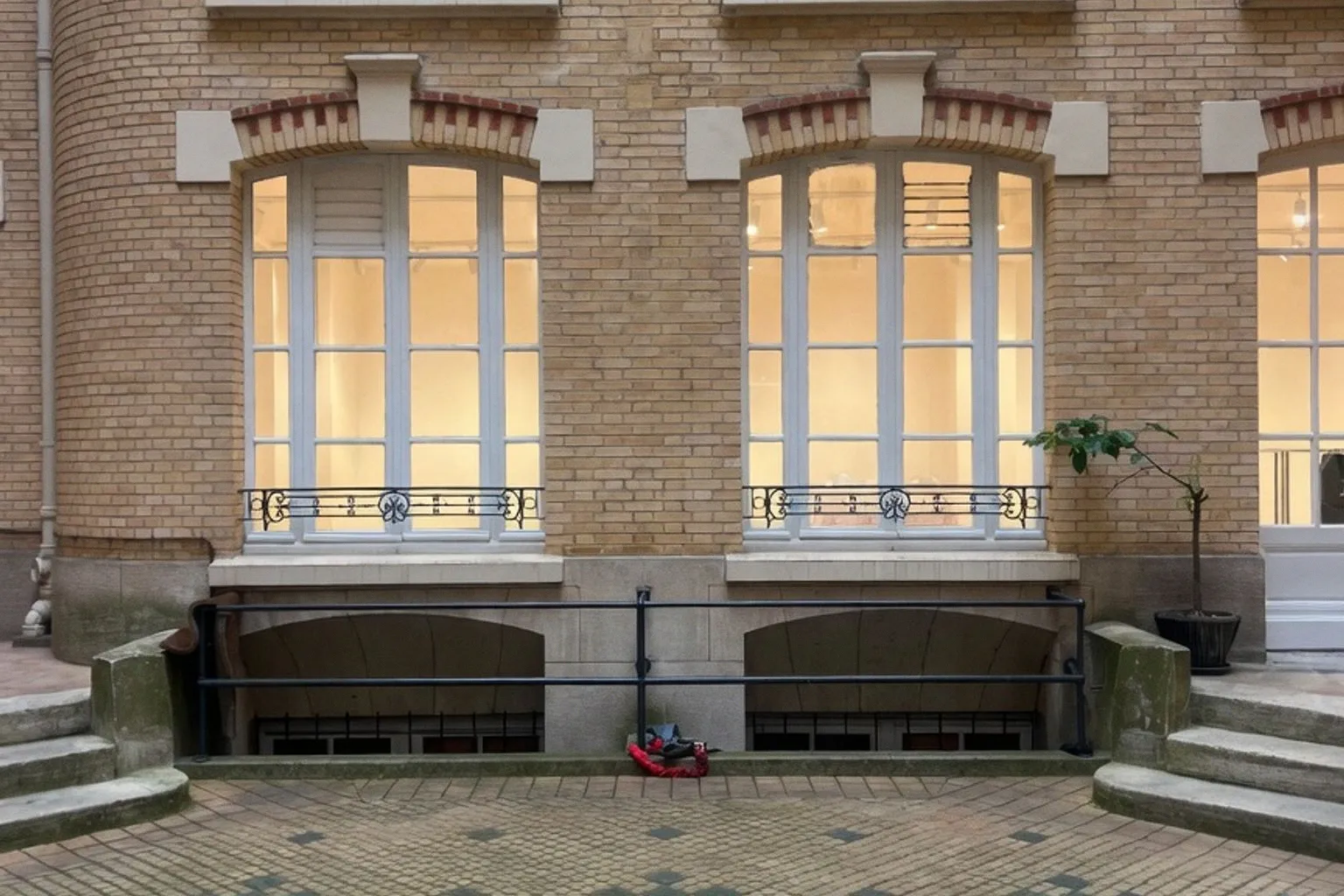
The move is also a play for cultural premium. By filling two historic Marais buildings with 34 solo and duo presentations from a curated international roster, Post-Fair is trading the frantic, booth-by-booth fair rush for a slower, gallery-led dialogue. This format privileges provenance and artist context over the liquidity race of quick flips. It's a bet that in a market saturated with noise, collectors—especially those with a eye for long-term cultural value, not just floor price momentum—will reward focused, institutional-grade presentation.
What to Watch: The Network Effect
The invitation-only exhibitor list, due in September, will be the first real test. If it features a compelling mix of blue-chip international galleries alongside critical emerging spaces, the Paris edition could become a key node for the kind of collector and curator networking that drives value back into represented artists' secondary markets. For digital and generative art, the real question is whether this "slower, more considered" ethos attracts the kind of conceptual rigor that elevates physical-digital hybrids, or if it remains a purely traditional art market conversation. Keep an eye on which galleries choose to debut major digital projects in this setting versus the main fair's more commercial pitches.
This expansion isn't just about geography. It's an experiment in alternative growth strategies for galleries, a live bet that lowering barriers to entry and focusing on curated quality can build a healthier, more engaged ecosystem. If it works in Paris during the busiest week of the year, the model becomes impossible to ignore. We'll be watching the sell-through and, more importantly, the depth of institutional engagement that follows.