INSIGHT: The Rome Statement on Art Market Integrity 2026 — what compliance professionals need to know
A $60 billion market and a blockchain that was supposed to clean it up. Instead, UNIDROIT just put NFTs in the same sentence as wash trading and "structural opacity." The Rome Statement on Art Market…
Silas Beckett, On-Chain Critic & Market Columnist·updated July 01, 2026
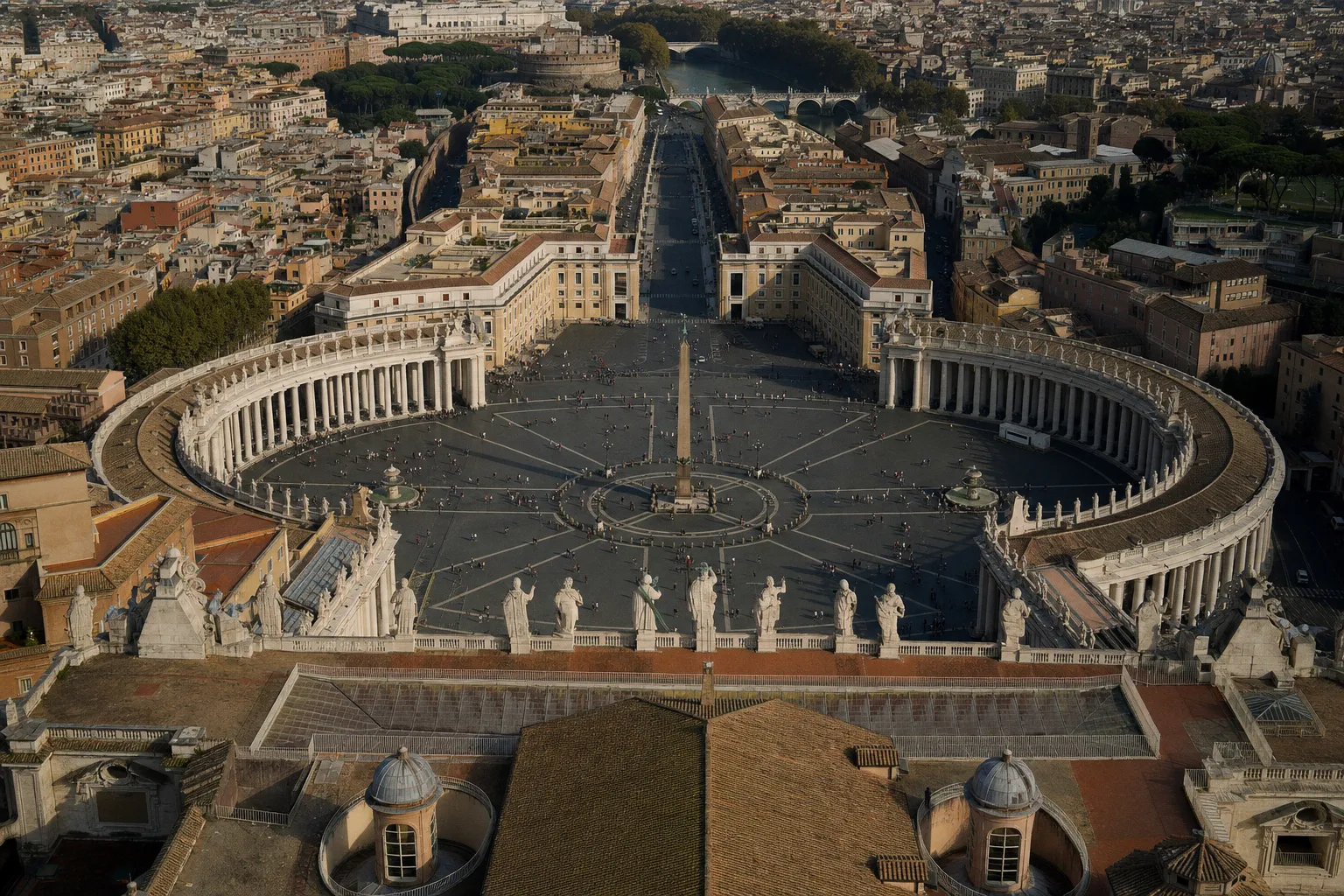
A $60 billion market and a blockchain that was supposed to clean it up. Instead, UNIDROIT just put NFTs in the same sentence as wash trading and "structural opacity." The Rome Statement on Art Market Integrity 2026 isn't binding law — but it's the clearest signal yet that compliance is migrating from gallery basements to mint pages.
What the Rome Statement actually says
Issued after a UNIDROIT workshop in Rome earlier this month, the Statement gathers non-binding conclusions from an unusually broad table: UNODC, UNESCO, the EU, the Egmont Group, plus specialized units like Italy's Carabinieri Command for the Protection of Cultural Heritage, Spain's Guardia Civil, and the Guardia di Finanza. Consensus document, yes — but don't mistake consensus for advisory. The convergence between cultural property enforcement and AML/CFT frameworks is no longer theoretical. It's policy.
The framing number: the global art market hit roughly $60 billion in 2025, per Art Basel & UBS. US ~44%, UK ~18%, China plus Hong Kong ~14% — structurally concentrated, structurally opaque, and now being treated as a financial integrity vulnerability rather than a charming quirk of the trade.
For related context, see Gaming guilds: what are they and how do they work?.
The NFT tell
Our corner of the market should lean in here. The Statement validates what on-chain analysts have been flagging for two cycles: NFTs and tokenized art were sold as traceability infrastructure. In practice, they imported a parallel risk stack — valuation volatility, pseudonymous ownership, cross-border transferability outside regulated intermediaries. Wash trading gets named directly. The digital art ecosystem gets called "fragmented."
The same compliance machinery watching Sotheby's wires now has vocabulary for your secondary market. That's not fear. It's signal.
What to do with it
Compliance teams should map their current AML posture against the Statement's conclusions before platforms built on their jurisdiction do it for them. Collectors and projects should assume provenance metadata is about to matter more than the JPEG — provenance is positioning itself as the next cultural premium axis. And anyone still pricing floor moves without accounting for the institutional buyers now sitting on the other side of the transparency gap is reading noise, not market.
The art market didn't get its transparency revolution. It got a transparency roadmap. The Rome Statement is the first mile marker.