ArtMeta: When Digital Art Enters the Canon, Tech Millionaires Will Enter the Market
A $200,000 computer-generated sculpture from 1968 is the cleanest signal in ArtMeta’s Art Basel presentation—not because one price remakes a market, but because it reframes the asset class.
Silas Beckett, On-Chain Critic & Market Columnist·updated July 15, 2026
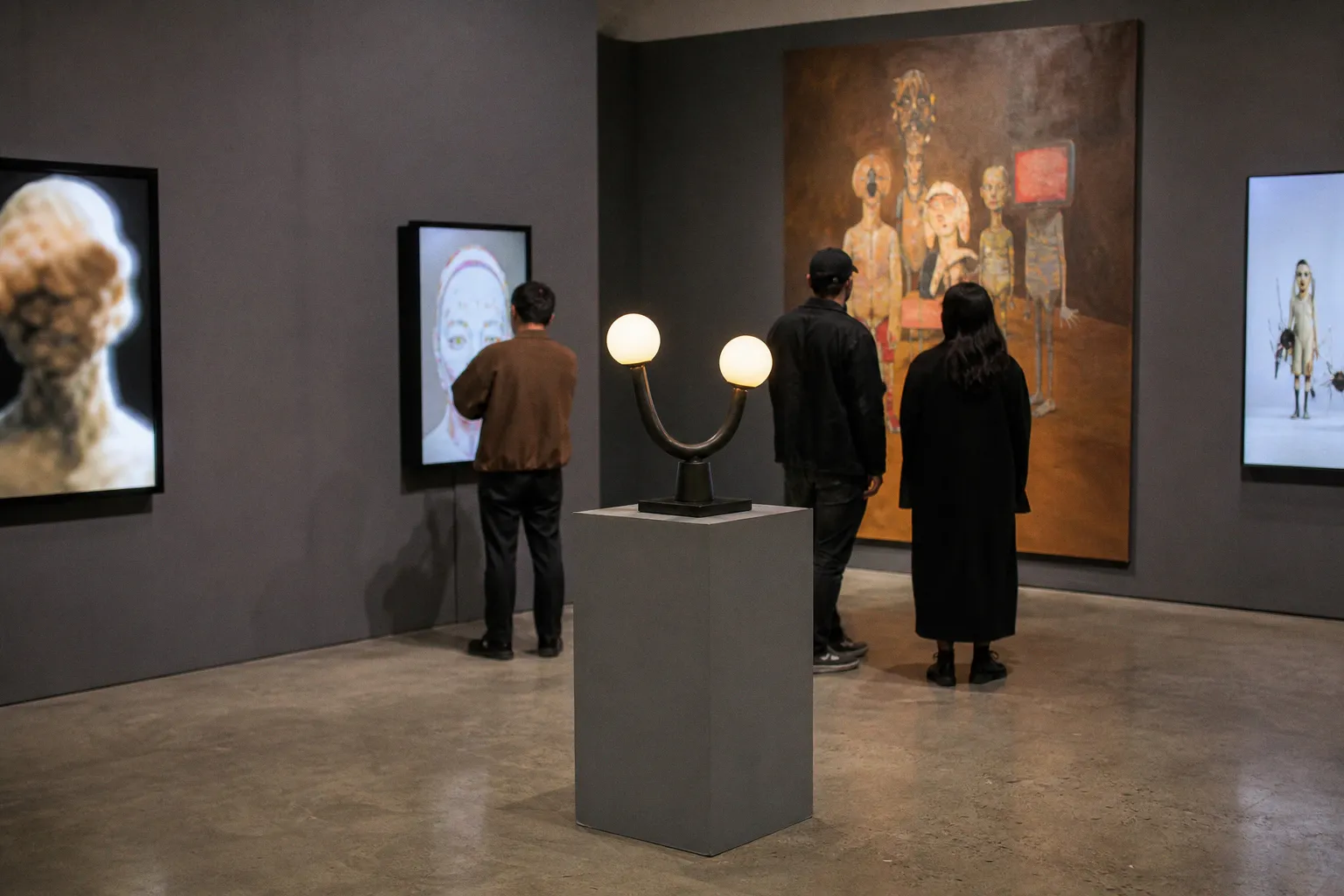
ArtMeta’s argument is not that every tokenized JPEG belongs in a museum. It is sharper: digital art did not begin with NFTs, and its provenance cannot be reduced to a wallet address or a mint date.
The canon arrives before the liquidity
At Zero10, ArtMeta organized the show across seven chapters: SIGNAL, SYSTEM, GRAPHIC, NETWORK, GENERATIVE, INTELLIGENCE and PROTOCOL. The route began with 1950s-era experiments by Ben F. Laposky, Mary Ellen Bute and Desmond Paul Henry, then moved through algorithmic and blockchain-based practices.
Charles Csuri’s Numeric Milling—a physical 3D sculpture produced with a computer algorithm in 1968—was priced at $200,000. That figure matters less as a comp for today’s NFT floors than as evidence that computational authorship can already command traditional-art pricing when the work has scholarship, context and legible scarcity behind it.
We have spent years treating “on-chain” as shorthand for provenance. It isn’t. It is infrastructure. ArtMeta is pushing the less convenient thesis: provenance also needs art history, curatorial framing and institutions willing to defend the work after the speculative liquidity evaporates.
Protocol is not a substitute for a thesis
The final chapter, PROTOCOL, is an obvious bridge for NFT collectors. But the show’s chronology cuts against the market’s favorite shortcut: assuming that blockchain automatically upgrades an artwork into cultural property.
It does not. A smart contract can record transfers. Metadata can preserve a declared relationship between a token and a file. Neither mechanism explains why a work matters, who its peers are, or whether its formal language survives the cycle. That is the gap between a liquid collectible and an artwork with durable cultural premium.
ArtMeta, launched around 2021, describes itself as operating between scholarship, curatorial practice and the art market. That positioning is more important than another generic “digital art is the future” panel. The traditional system has often treated digital practice as a novelty aisle; the crypto market, meanwhile, has often treated cultural value as a byproduct of volume. Both instincts age badly.
What collectors should actually watch
Do not read this as a floor-price catalyst. There is no on-chain volume, token sale or collection performance in the presentation to underwrite that claim. The signal is slower—and potentially more valuable.
Watch for artists and works that can carry their history across formats: screen, print, sculpture, code, archive and, where relevant, token. Watch whether exhibitions connect contemporary generative or blockchain work to identifiable artistic lineages rather than merely borrowing museum aesthetics. And watch whether the provenance stack includes more than a marketplace listing.
My verdict: canonization will not rescue weak work or wash-traded liquidity. But it can create a separate lane for digital art whose authorship, context and scarcity survive after the market’s noise capitulates.